
Binocular Basic 8×21 with Ruby, Konus
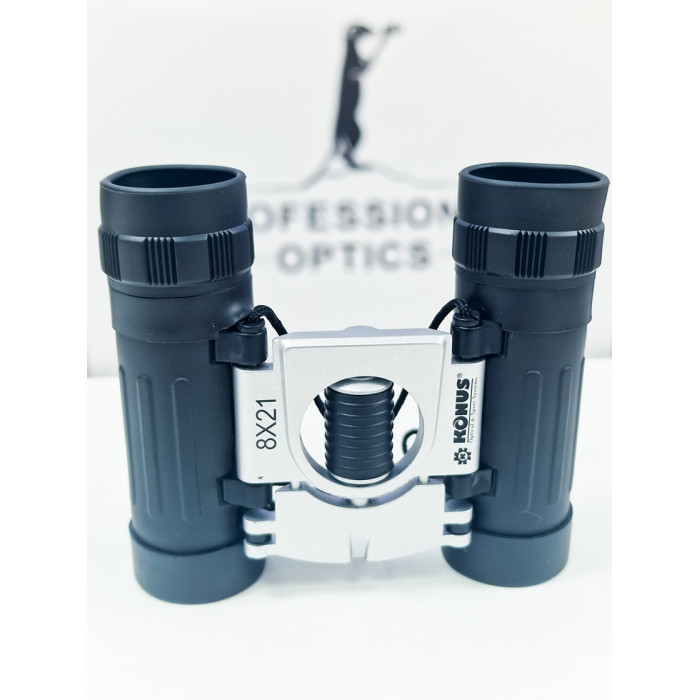
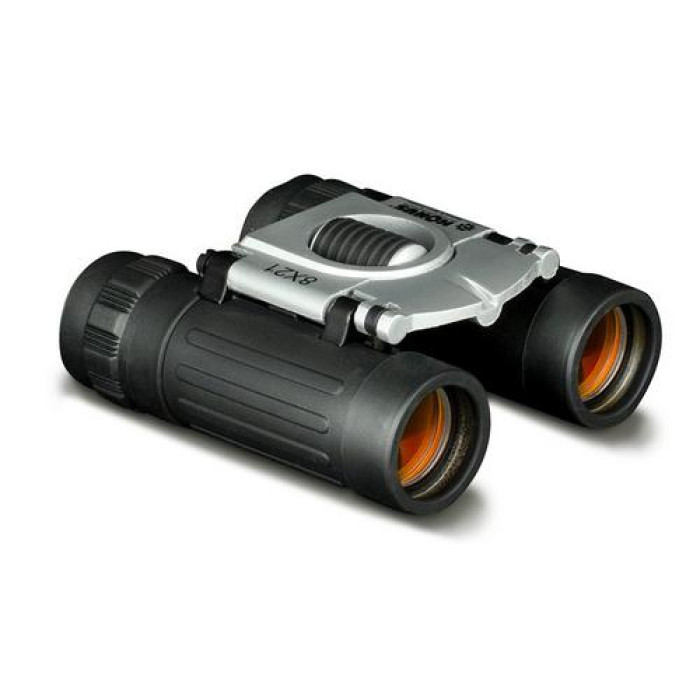
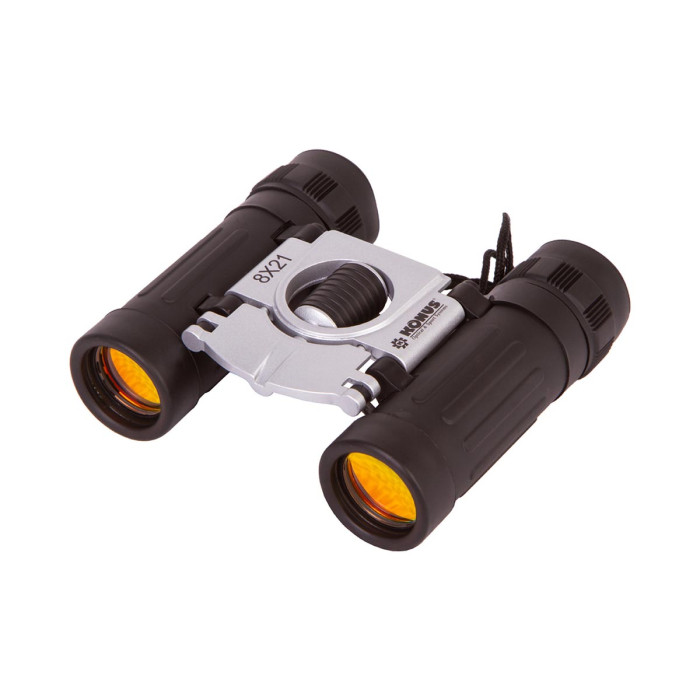


Konus Basic 8×21 Ruby Binoculars – Ultra-Compact Performance for Field Operations
The Konus Basic 8×21 Ruby binoculars deliver exceptional optical precision in an ultra-portable design, engineered for tactical professionals, hunters, and outdoor operators requiring reliable magnification without compromising mobility. This Italian-crafted instrument combines advanced ruby coating technology with proven roof prism architecture to create an ideal compact surveillance and observation tool for demanding field environments.
Ruby Anti-Glare Coating System
The defining characteristic of these binoculars is their specialized ruby coating technology, scientifically engineered to reduce solar reflection and enhance contrast during bright daylight operations. Unlike conventional lens coatings, the ruby system filters specific wavelengths that contribute to glare, particularly beneficial when conducting surveillance over reflective terrain such as water bodies, snow-covered landscapes, or metallic structures. This coating significantly reduces eye fatigue during extended observation sessions, making it essential for professional applications where sustained visual monitoring is required.
The ruby coating works by selectively blocking red spectrum wavelengths while enhancing green and blue transmission, which naturally increases perceived contrast and detail definition. This technology proves especially valuable in tactical environments where target identification through natural camouflage or challenging lighting conditions is critical.
Compact Roof Prism Engineering
Built around a roof prism configuration using BK-7 optical glass, these binoculars maintain structural integrity while delivering reliable image quality for professional applications. The BK-7 prism material provides a refractive index of 1.51680 with an Abbe number of 64.17, ensuring adequate light transmission and color fidelity for daytime operations. While more economical than BAK-4 glass, BK-7 delivers consistent performance suitable for entry-level tactical and hunting applications without significant optical compromise.
The roof prism design enables an extremely compact profile measuring only 12.1cm in length when extended, with a folded configuration reaching just 4.9cm in height. This streamlined architecture allows for discreet carry and rapid deployment in field situations where equipment visibility must be minimized.
Technical Performance Specifications
Specification | Value |
Magnification Power | 8× |
Objective Lens Diameter | 21mm |
Prism Configuration | Roof Prism |
Prism Material | BK-7 Optical Glass |
Lens Coating Technology | Ruby Anti-Glare Coating |
Field of View at 1000m | 126m (366ft at 1000yds) |
Exit Pupil Diameter | 2.6 mm |
Eye Relief Distance | 11mm |
Close Focus Range | 3m (10ft) |
Overall Weight | 230g (8.1oz) |
Folded Dimensions | 11.6×4.9cm |
Extended Length | 12.1cm |
Body Protection | High-Quality Rubber Armoring |
Water Resistance | Not Waterproof |
Warranty Coverage | 2 Years Manufacturer Replacement |
Field Performance and Operational Advantages
The 8× magnification factor provides optimal target identification capabilities while maintaining stability for handheld operation without support equipment. This magnification level allows operators to effectively identify subjects at distances up to 1000 meters while retaining a manageable field of view for tracking moving targets. The 21mm objective lenses gather sufficient light for clear daytime imaging while keeping overall weight to just 230 grams.
Critical Performance Benefits:
Rapid target acquisition through 8× magnification suitable for reconnaissance operations
Extended field monitoring with 126-meter field of view at 1000-meter range
Glare reduction performance in high-reflection environments through ruby coating
Lightweight operational profile at 230g for extended mission duration
Shock-resistant construction with rubberized exterior protection
The 2.6mm exit pupil ensures adequate brightness for daylight operations while the central focusing mechanism enables rapid adjustment between targets at varying distances. Eye relief of 11mm accommodates users with or without eyewear for universal operational compatibility.
Tactical and Hunting Deployment Scenarios
These binoculars excel in mobile reconnaissance operations where weight reduction and concealment are prioritized over maximum optical performance. The compact folding design allows storage in tactical vests, cargo pockets, or small daypacks without creating bulk that compromises movement or stealth. Ruby coating particularly benefits operations in open terrain, alpine environments, or maritime settings where solar reflection can compromise observation effectiveness.