
Thermal imagers for hunting


Thermal imagers for hunting in the EU
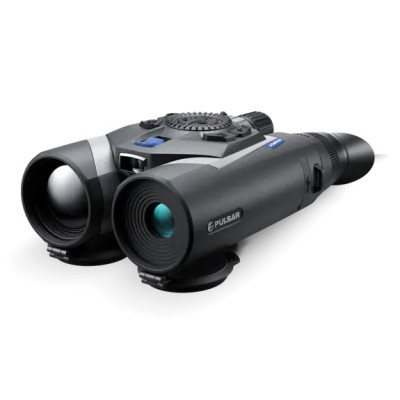
Thermal imaging helps hunters detect game by heat signature rather than ambient light—useful at night, in fog, light rain, and low-contrast conditions. On this page you can compare thermal monoculars, thermal rifle scopes, and clip-on thermal systems and choose the setup that matches your terrain (forest vs open field) and typical distances.
Choose the right type (monocular vs scope vs clip-on)
Start with the use case:
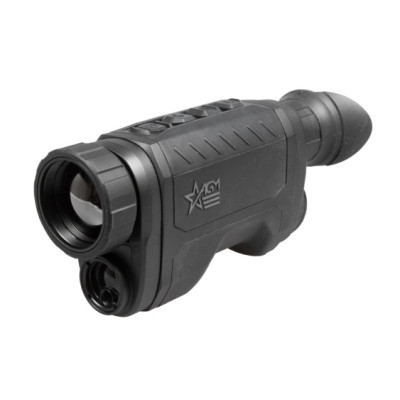
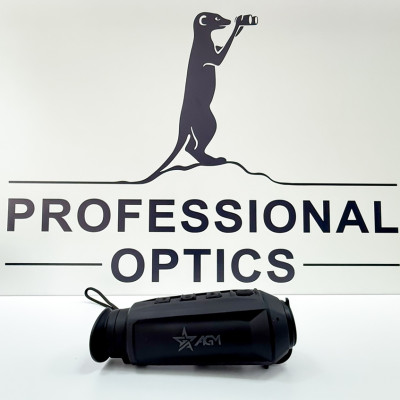
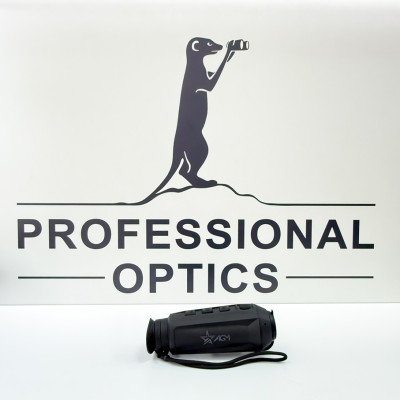
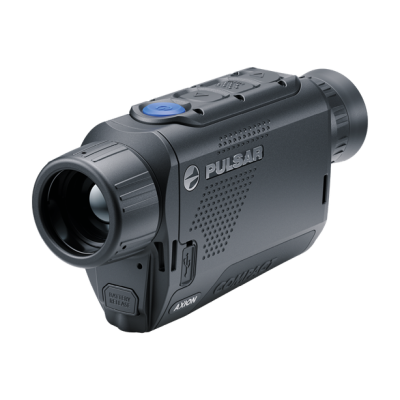
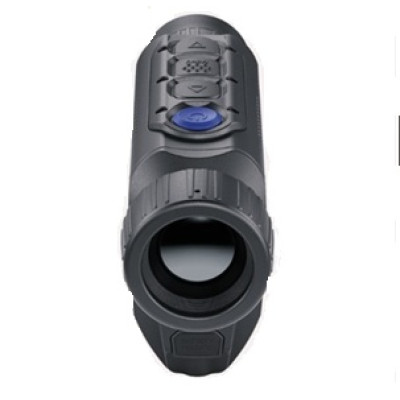
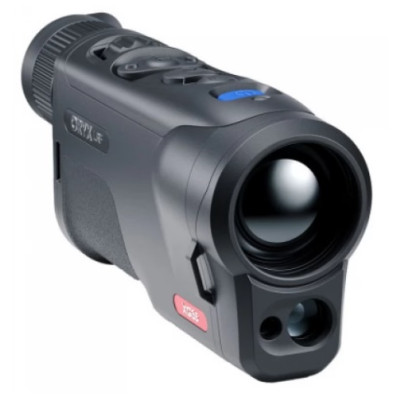
Thermal monocular for scanning and locating game quickly.
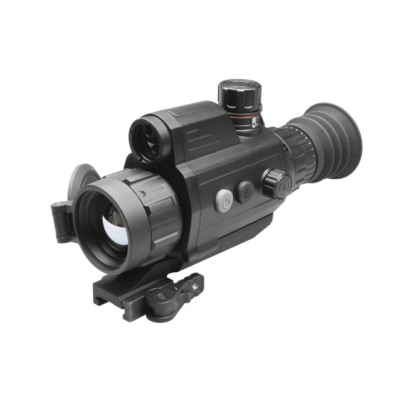
Thermal scope / thermal riflescope for mounted use and consistent shot placement.
Clip-on thermal to convert a daytime optic without changing your shooting routine.
What really matters: 384 vs 640, NETD, and field of view
384×288 is often a strong value option for closer to mid-range hunting and wooded terrain, while 640×512 typically provides more detail—especially helpful in open fields and at higher magnification. Beyond resolution, pay attention to NETD (sensor sensitivity): lower NETD often delivers a cleaner image when humidity and fog reduce contrast. Field of view (FOV) impacts comfort—wider FOV helps scanning, while more magnification helps judging details at distance.
Brands we focus on: AGM, NVTech, Pulsar
If you prefer to shop by brand, use the brand collections:
EU shipping & warranty
We ship across the EU (including Croatia) and help confirm the right configuration before you buy (type, intended use, and compatibility). For shipping times and warranty details, see the dedicated pages.
mini-FAQ
How far can a thermal imager see? It depends on lens, sensor, and weather; focus on real-world recognition and identification, not only max detection claims.
Monocular or scope first? Monocular for scanning; scope if your primary goal is night shooting.
384 or 640? 384 for value and forest; 640 for detail and open fields.
What is NETD? A sensitivity metric; lower NETD often improves clarity in challenging conditions.