PULSAR Merger Duo NXP50 Multispectral Thermal Binocular – Dual Thermal and Full-HD Digital Vision for Hunting and Wildlife Observation
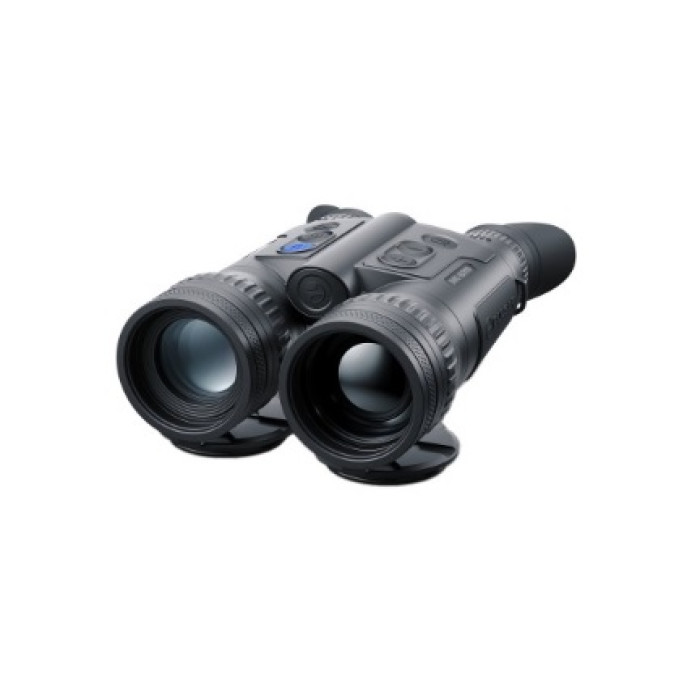
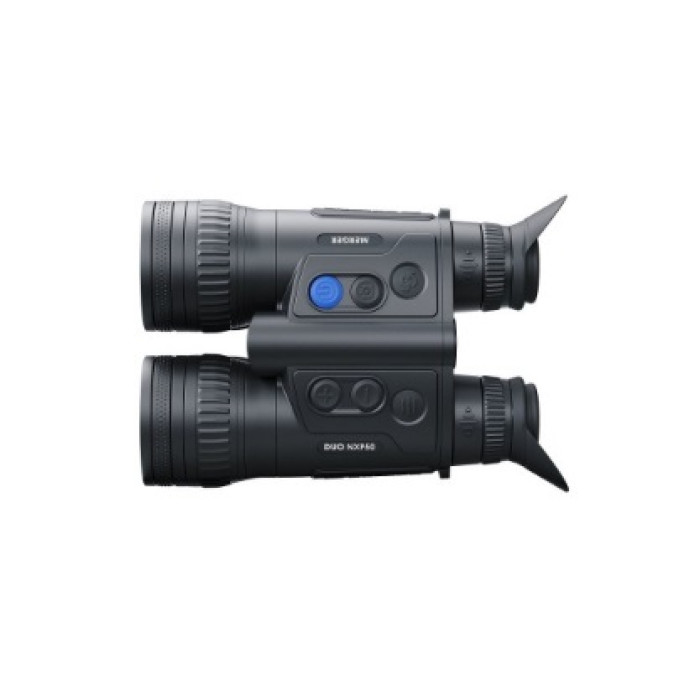
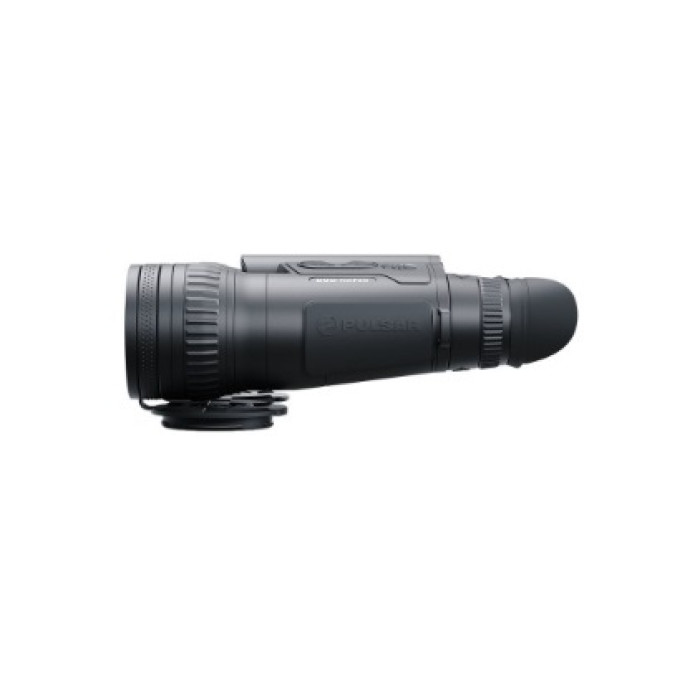
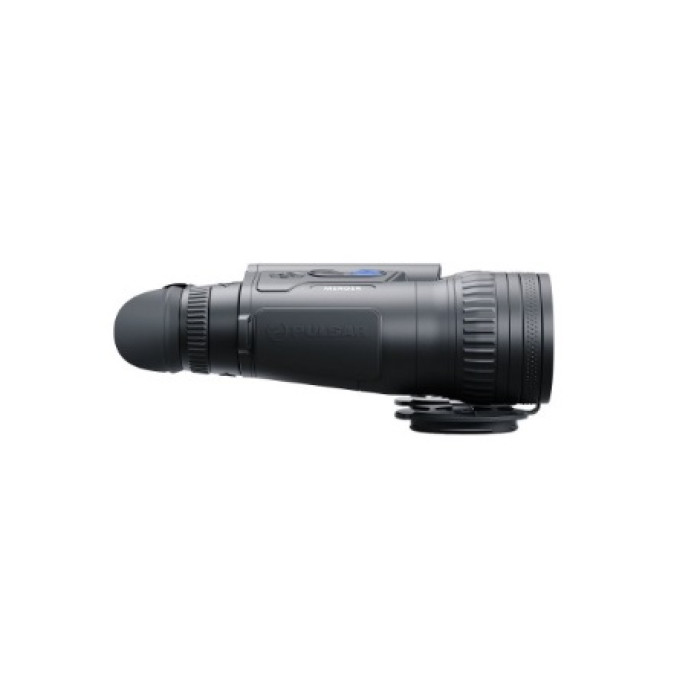
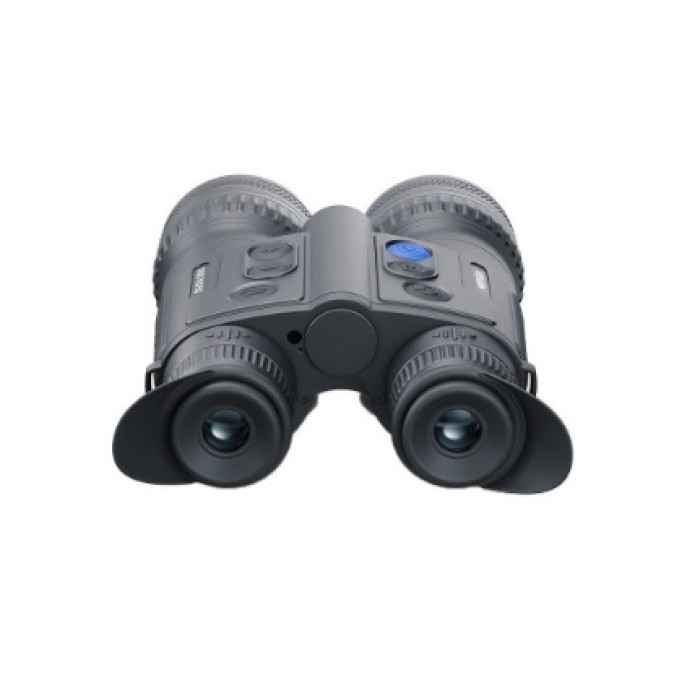
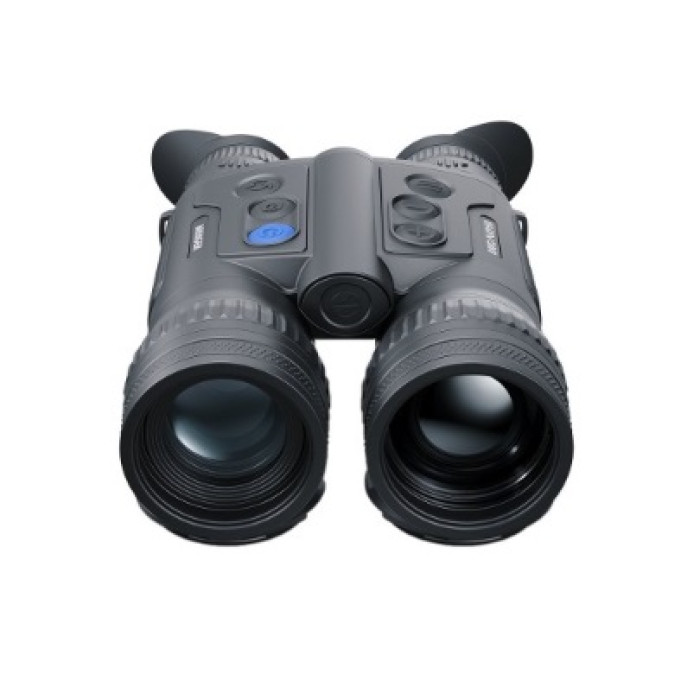
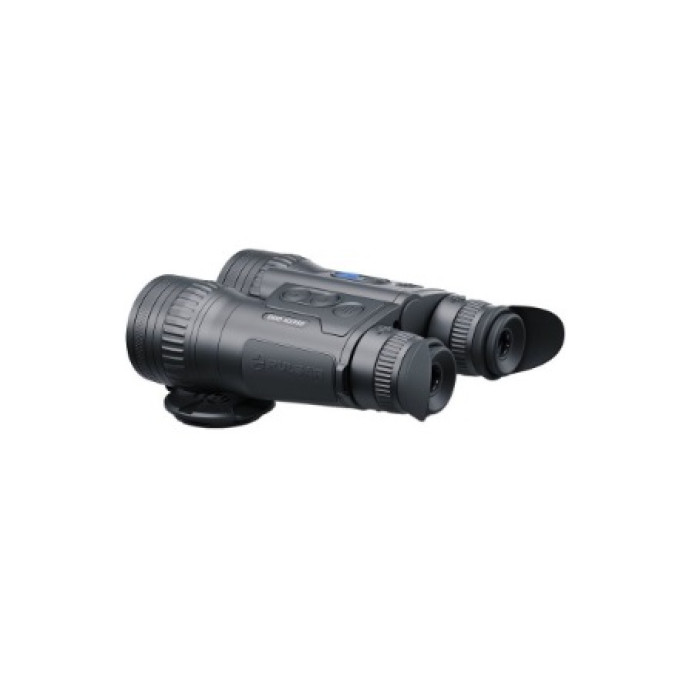
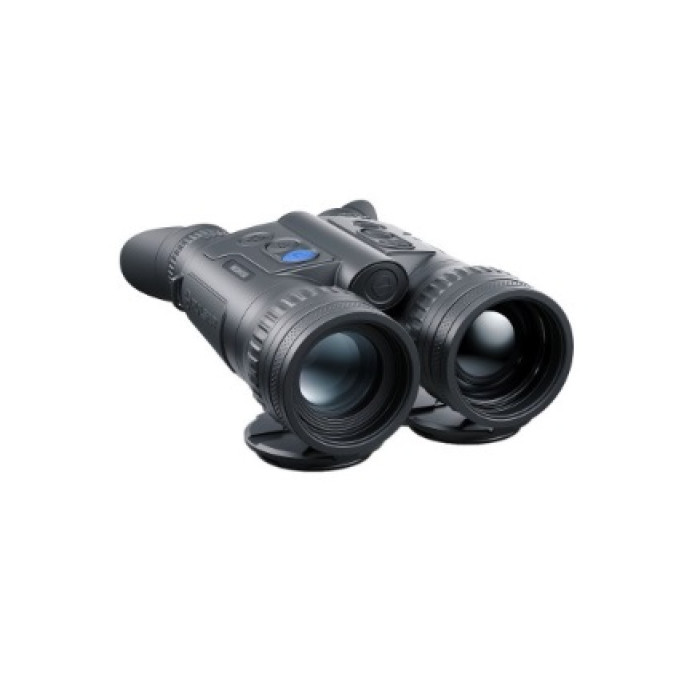
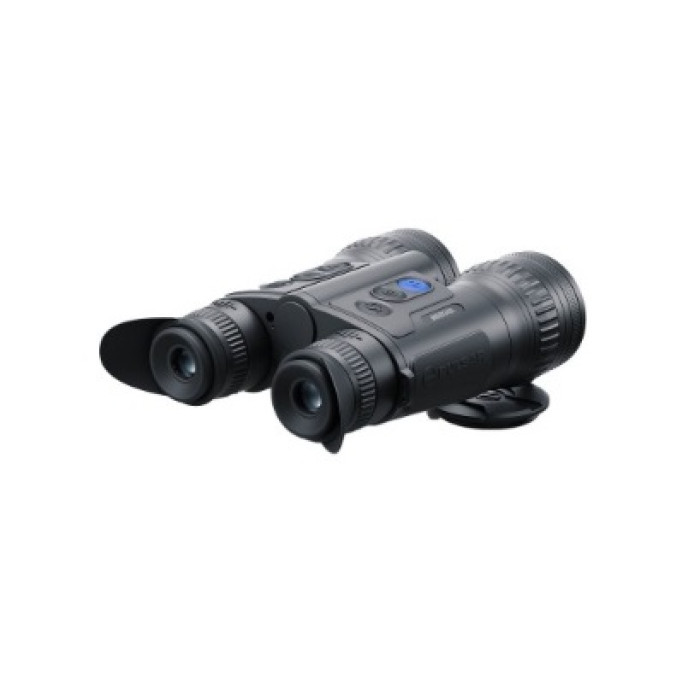


PULSAR Merger Duo NXP50 Multispectral Thermal Binocular
The PULSAR Merger Duo NXP50 is a multispectral thermal binocular that combines a thermal imaging channel with a Full-HD digital day-and-night channel in one ergonomic device. It is designed for hunters, wildlife observers and outdoor professionals who need reliable detection, recognition and identification in daylight, darkness, fog, smoke, rain, snow and other difficult visibility conditions.
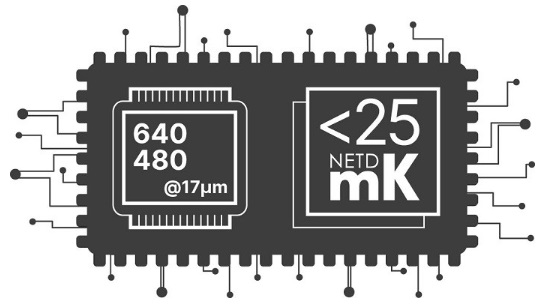
The thermal channel uses a 640×480 uncooled sensor with a 17 µm pixel pitch and NETD below 25 mK. The digital channel uses a 1920×1200 CMOS sensor for detailed observation in daylight and low ambient light. By switching between the two channels or displaying them together in multispectral Picture-in-Picture mode, the user can select the most informative image for the current situation.
With a 50 mm F1.0 germanium thermal objective, detection range up to 1,800 m and thermal magnification from 3× to 24×, the Merger Duo NXP50 is designed for detailed long-range observation. The digital channel uses a 50 mm F1.4 objective and provides magnification from 1.5× to 12×. The integrated 940 nm infrared illuminator improves detail in complete darkness.
Key Performance Benefits
- Dual thermal and digital channels allow observation in daylight, darkness, fog, smoke, rain and other challenging conditions.
- 640×480 thermal sensor with 17 µm pixel pitch provides detailed heat-signature imaging with NETD below 25 mK.
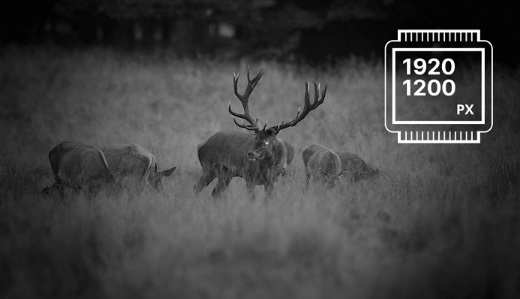
- Full-HD 1920×1200 CMOS sensor improves recognition and identification in daylight and low-light conditions.
- Thermal detection range up to 1,800 m supports early detection of large heat sources across open fields, forests and mountainous terrain.
- 50 mm F1.0 germanium thermal objective provides high infrared transmission and detailed long-range thermal imaging.
- 50 mm F1.4 digital objective supports detailed digital observation with effective light transmission.
- Thermal magnification from 3× to 24× and digital-channel magnification from 1.5× to 12× provide flexible image scaling.
- Integrated 940 nm infrared illuminator improves digital-channel visibility in complete darkness without producing visible red light.
- Multispectral Picture-in-Picture mode displays thermal and digital images together for better situational awareness.

- 1280×960 AMOLED HD displays provide a stereoscopic viewing experience and comfortable observation through both eyepieces.
- Pulsar Image processing reduces noise and improves image sharpness and detail.
- 64 GB internal memory stores photographs and video recordings with sound.
- Dual-battery system combines a removable 3,200 mAh battery with a built-in 4,000 mAh battery.
- IPX7 protection supports reliable use in rain and during temporary immersion.
- 1/4-inch tripod mounting allows stable long-duration observation from a fixed position.
Who Is This Pulsar Device For?
The PULSAR Merger Duo NXP50 is particularly suitable for users who need a single binocular for daytime observation, nighttime viewing and thermal detection in changing weather conditions. Its combination of a 640×480 thermal sensor with NETD below 25 mK, a 1920×1200 Full-HD digital sensor and 50 mm thermal and digital objectives makes it a suitable choice for hunting, wildlife observation and outdoor surveillance across open fields, woodland edges, mountain terrain and coastal areas.
It is especially worth considering if you need the flexibility to switch between thermal imaging and digital observation, or to display both channels simultaneously. The thermal channel helps locate heat sources in darkness, fog and vegetation, while the digital channel provides additional detail for recognition and identification when sufficient ambient or infrared illumination is available.
If your priority is maximum thermal sensitivity in very low-contrast conditions, a dedicated thermal binocular with a higher-resolution sensor or lower NETD may be a better choice. If you need a lighter and simpler device for daylight observation only, a conventional optical binocular may be more practical.
Thermal Imaging Channel
The thermal module uses an uncooled 640×480 silicon-amorphous sensor with a 17 µm pixel pitch. NETD is below 25 mK, allowing the device to register relatively small temperature differences between an animal and its surroundings.
The thermal channel operates in the long-wave infrared range and remains useful in conditions where conventional visible-light optics are limited, including fog, smoke, rain, snow, dust and dense vegetation.
The thermal image is displayed at a 50 Hz refresh rate, which helps maintain smooth motion when following moving animals or other heat sources. Thermal magnification ranges from 3× to 24×, with additional digital zoom options of 2×, 4× and 8×.
The 50 mm F1.0 germanium objective provides high transmission of infrared radiation and supports long-range thermal observation. The thermal field of view is approximately 12.4°, corresponding to about 21.8 m at 100 m at minimum magnification.
Digital Day-and-Night Channel
The digital channel uses a Full-HD 1920×1200 CMOS sensor designed for detailed observation during the day and in low ambient light. Its sensitivity is specified at B/W 0.001 lux at F1.0.
The 50 mm F1.4 digital objective provides a 1.5× base magnification and digital zoom up to 8×, resulting in maximum digital-channel magnification of approximately 12×. The digital channel is suitable for identifying visible shapes, body structure, terrain features and other details that may be difficult to interpret using thermal imaging alone.
In complete darkness, the supplied 940 nm infrared illuminator provides additional invisible illumination. Its beam focus and spot position can be adjusted to match the field of view and observation distance.
Multispectral Observation and PiP
The Merger Duo NXP50 allows the user to switch between the thermal and digital channels with a single control. Each channel can be used independently, or both images can be displayed together using multispectral Picture-in-Picture mode.
In multispectral PiP mode, one channel is shown as the main image while the second channel appears in a smaller window. The user can choose whether thermal or digital information has priority. This is useful when a thermal signature needs to be located first and then examined using the digital channel for additional identification detail.
A separate PiP mode provides a magnified view of the central image area while preserving the wider observation scene. This helps inspect a distant animal or object without completely losing awareness of the surrounding terrain.
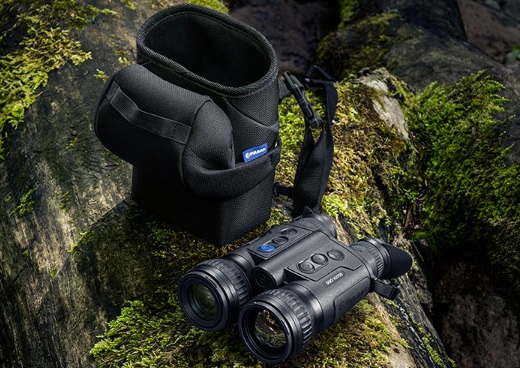
Image Processing and Display
Pulsar Image processing reduces noise, improves sharpness and enhances fine detail in both thermal and digital images. Brightness and contrast can be adjusted to suit the current environment and user preference.
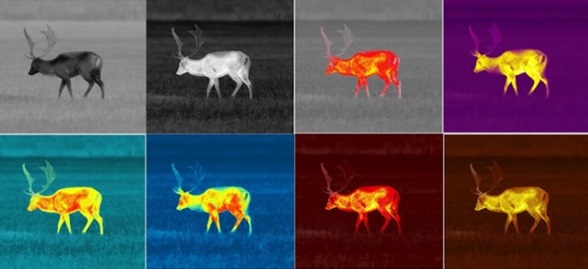
The device provides eight colour palettes for thermal observation:
- White Hot.
- Black Hot.
- Red Hot.
- Rainbow.
- Ultramarine.
- Red Monochrome.
- Sepia.
- Violet.
The AMOLED HD displays have a resolution of 1280×960 pixels in each eyepiece and operate at up to 50 Hz. The binocular-style arrangement creates a stereoscopic viewing experience, which can make long observation sessions more comfortable and assist with judging spatial relationships.
The interpupillary distance can be adjusted from 62 to 74 mm. A proximity sensor helps manage power consumption by switching the display off when the device is not being viewed and restoring it when observation resumes.
Stadiametric Rangefinder
The built-in stadiametric rangefinder provides an approximate distance estimate for objects of known dimensions. The device includes three preset animal profiles, allowing the user to select an approximate target type and align its boundaries within the display.
This rangefinder is intended for estimation rather than precision laser measurement. Its practical value is greatest when observing wildlife across open areas and when a quick distance estimate is needed without carrying a separate rangefinder.
Recording, Memory and Connectivity
The integrated recorder captures video with sound and photographs in JPG format. Video and image resolution is 1280×960, while the 64 GB internal memory provides storage for extended observation sessions.
Dual-band Wi-Fi operates at 2.4 and 5 GHz and supports connection to compatible mobile devices. Stream Vision 2 enables:
- Live image streaming.
- Remote control of the binocular.
- Firmware updates.
- Playback and management of recorded files.
- File transfer to a mobile device.
- Sharing of photographs and videos.
- Mobile-device viewing of stored recordings.
The application is compatible with iOS and Android devices.
Power System and Housing
The PULSAR Merger Duo NXP50 uses a dual lithium-ion power system. The removable external APS3 battery has a capacity of 3,200 mAh, while the built-in battery has a capacity of 4,000 mAh. Total operating time is approximately 7.5 hours under standard conditions, depending on temperature and operating mode.
The binocular can be powered or recharged through USB Type-C using 5 V or 9 V external power. A compatible power bank can extend observation time during long hunting trips, field surveys or multi-day outdoor activities.
The magnesium-alloy housing reduces weight while protecting the internal electronic and optical components. IPX7 protection provides resistance to rain and temporary immersion. The device is designed to operate from -25°C to +50°C.
Field Use and Practical Advantages
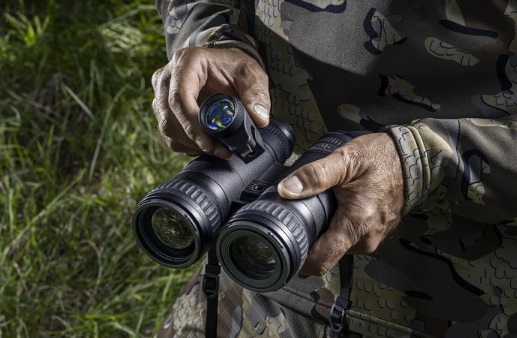
The PULSAR Merger Duo NXP50 is designed for situations where the user may need both heat detection and visual identification. During the day, the Full-HD CMOS channel provides a natural image with fine visible detail. At night or in difficult weather, the thermal channel helps locate animals and other heat sources even when visible-light observation is limited.
The thermal sensor can detect large heat sources at distances up to 1,800 m, while the 50 mm F1.0 thermal objective supports detailed observation at long range. The digital channel provides additional information for examining body shape, antler structure, terrain and other visible characteristics when conditions allow.
The ability to combine both channels in multispectral PiP mode reduces the need to carry separate devices. The user can search with thermal imaging, switch to the digital channel for identification and use the PiP view to maintain both perspectives.
The 940 nm infrared illuminator extends the capabilities of the digital channel in complete darkness. Its invisible wavelength is suitable for discreet observation, while adjustable focus and spot position allow the illumination to be matched to the target distance.
Installation, Adjustment and Maintenance
Initial adjustment: Set the interpupillary distance between 62 and 74 mm until both displays merge into a comfortable stereoscopic image. Adjust the dioptre and focus separately for each eye according to the user’s eyesight.
Thermal and digital focus: Use the appropriate manual focus controls for the selected channel. The thermal and digital objectives have different optical characteristics, so each channel should be adjusted separately for maximum sharpness.
IR illuminator: Connect the 940 nm illuminator through its USB Type-C interface. Adjust the beam focus and spot position so that the illuminated area matches the digital channel’s field of view.
Tripod mounting: For extended stationary observation, attach the binocular to a stable tripod using the 1/4-inch mounting thread or a compatible adapter.
Maintenance: Clean lenses with an air blower and a suitable microfiber cloth. Avoid abrasive materials and excessive pressure. Keep the battery contacts clean, store the binocular in a dry protective case and recharge the batteries during long-term storage according to the manufacturer’s recommendations.
The PULSAR Merger Duo NXP50 is recommended for users who need one device for thermal detection and digital observation in daylight, darkness and difficult weather. It is especially suitable for hunters, wildlife observers, outdoor professionals and surveillance users who need to locate heat sources and then examine visible details in the same viewing system.
The key advantage is the combination of a 640×480 thermal channel, Full-HD digital sensor, interchangeable multispectral viewing, 50 mm objectives, 64 GB recording memory and Stream Vision 2 connectivity. This configuration provides more flexibility than a single-channel thermal binocular, particularly when target identification is as important as initial detection.
If you need a lighter device for short observation sessions, a compact thermal monocular may be more practical. If your priority is maximum thermal resolution or longer battery life, a specialized thermal binocular with a higher-resolution sensor or a larger battery system may be a better choice.
You can buy or order the PULSAR Merger Duo NXP50 from Professional Optics, a specialist optics and tactical equipment store in Split, Croatia, with competitive prices, delivery across Europe and official EU warranty support.