
Pulsar Avilume XT50 Pro Multispectral Wildlife Binoculars
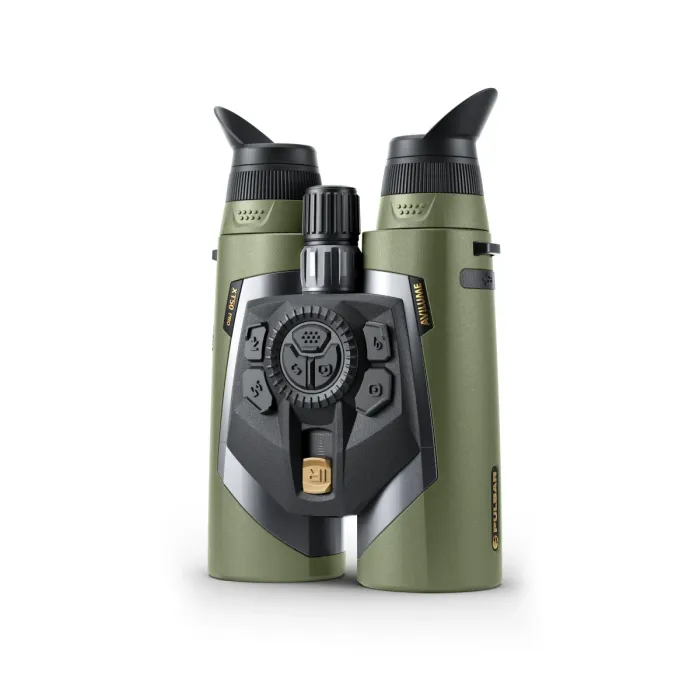
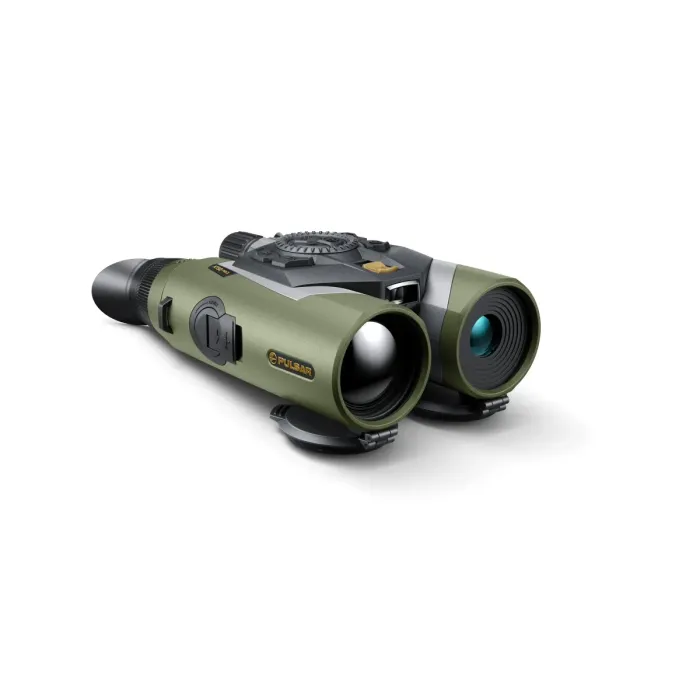
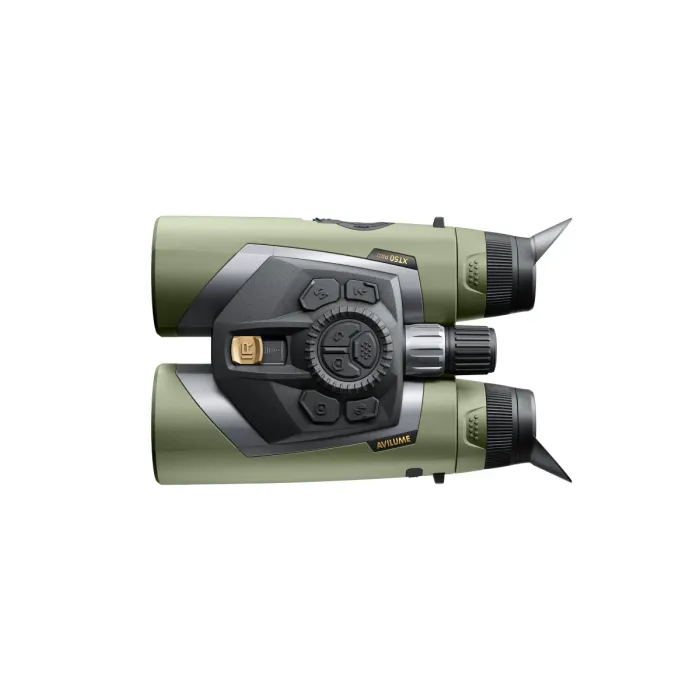
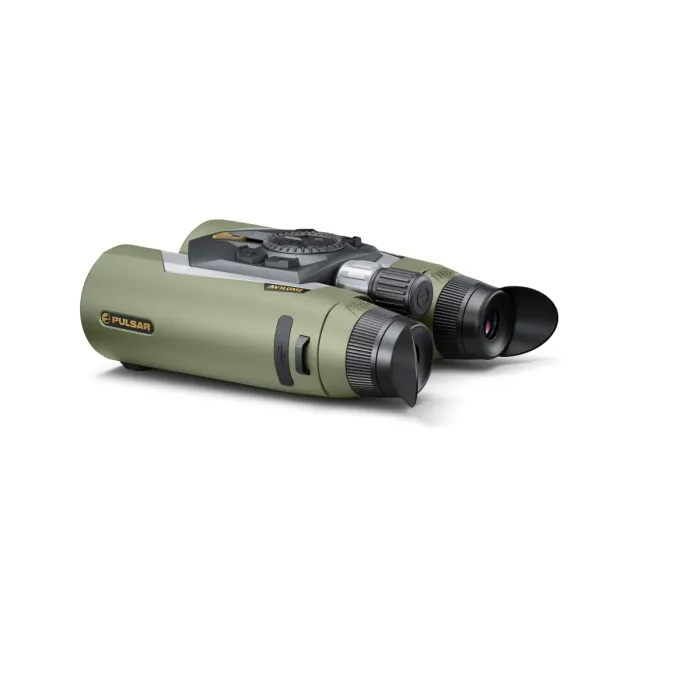
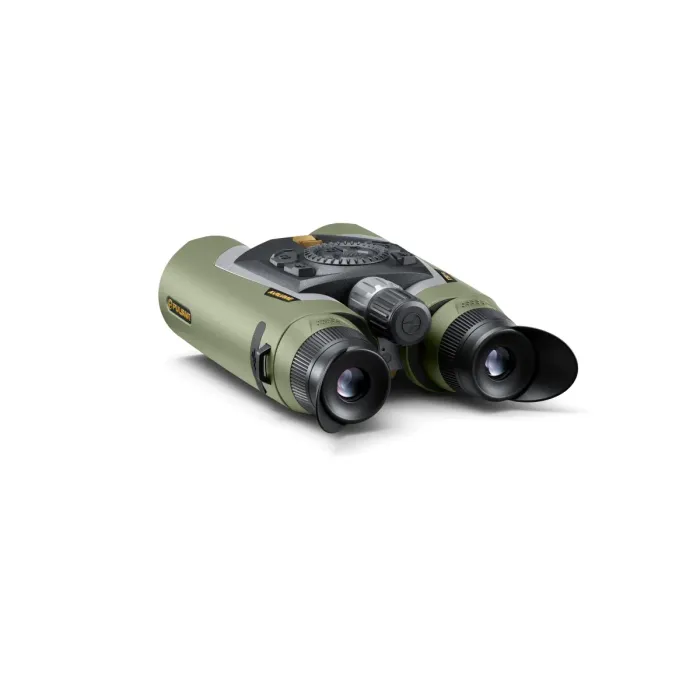
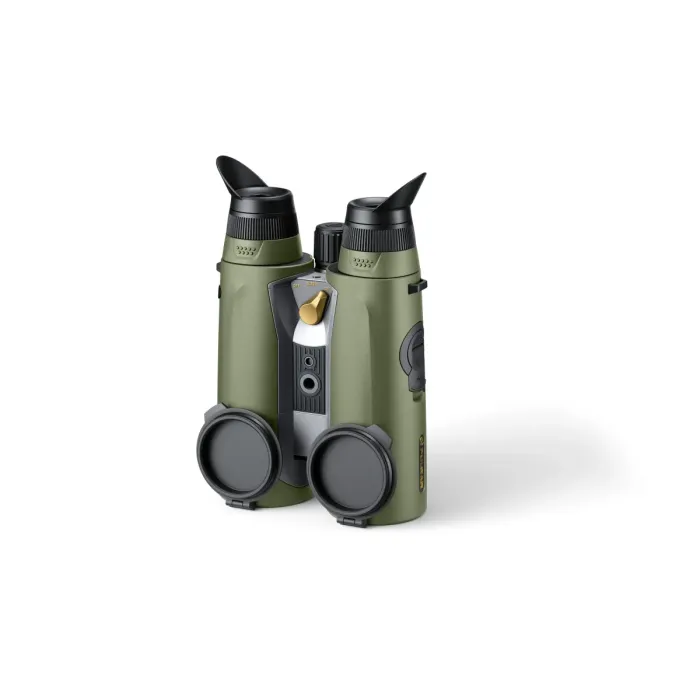
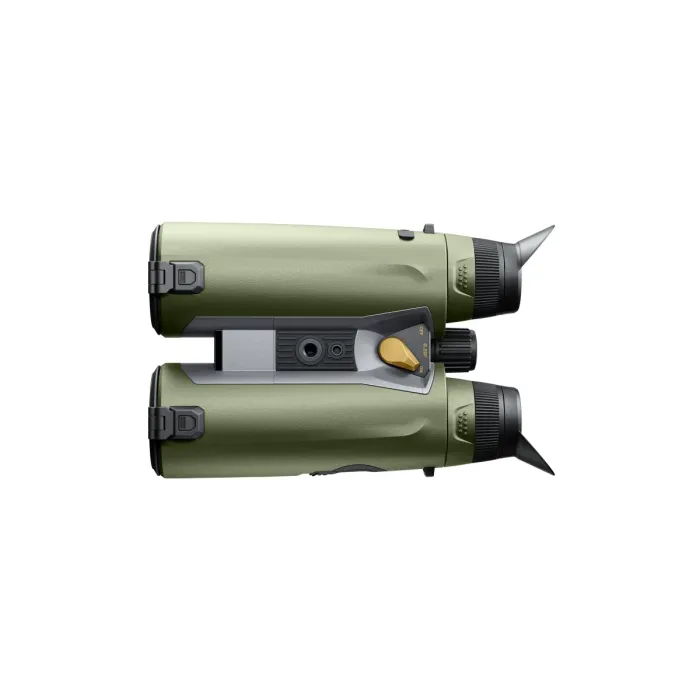
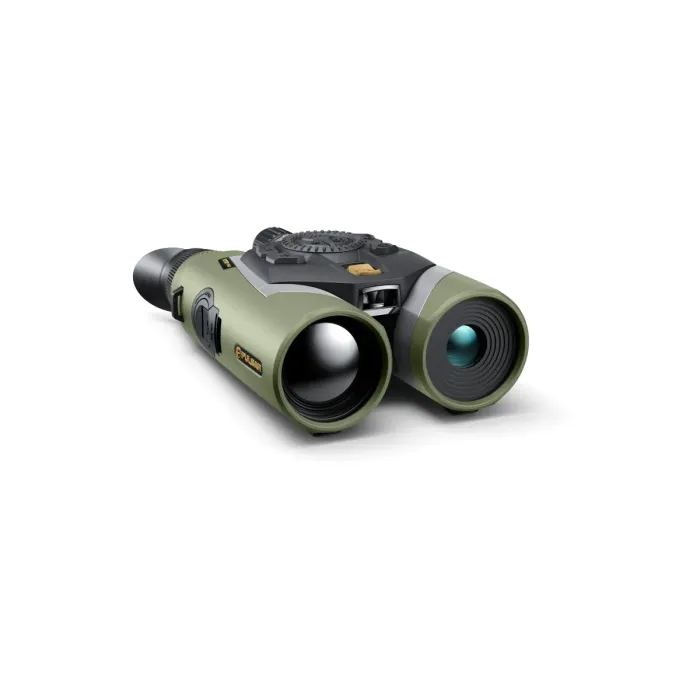
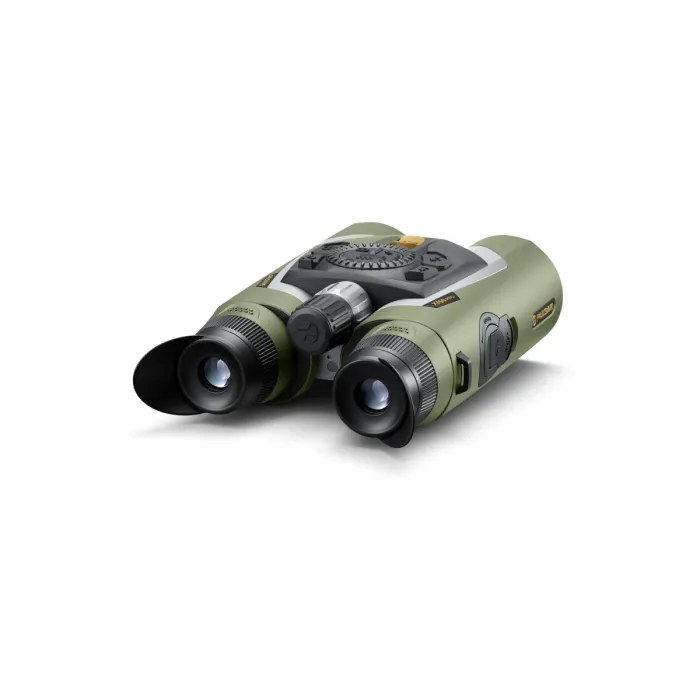
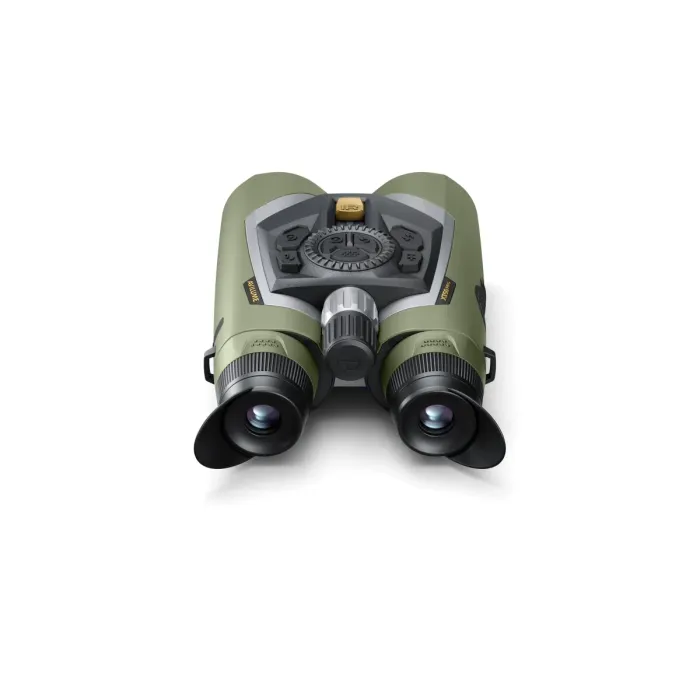


Pulsar Avilume XT50 Pro Multispectral Wildlife Binoculars
Pulsar Avilume XT50 Pro is a premium multispectral binocular system combining a 1280 × 1024 thermal sensor, 4K digital day and night imaging, an 850 nm infrared illuminator and an integrated laser rangefinder. It allows the user to locate a bird or animal by its heat signature, switch to the digital channel for visual identification, measure the distance and record photos or videos with sound.
Designed for birdwatching, wildlife observation, nature photography, conservation work and field research, the XT50 Pro is particularly effective in forests and mixed terrain. Its wide 17.5° thermal field of view covers 30.7 m at 100 m, helping the observer scan large areas quickly and track moving wildlife without constant repositioning.
1280 × 1024 Thermal Imaging
The European uncooled microbolometer has a resolution of 1280 × 1024 pixels, a 12 µm pixel pitch and a 50 Hz refresh rate. This high-resolution thermal channel preserves fine temperature detail, while the 50 Hz image provides smooth observation when panning or following animals in motion.
Sensor sensitivity is rated at NETD <35 mK, with system sensitivity of sNETD <20 mK. These values support useful image separation in rain, fog, high humidity and low-contrast conditions where an animal and its surroundings may have similar temperatures. Nine thermal colour palettes are available for adapting the image to the terrain, weather and viewing task.
The fast F50/1.0 germanium objective provides thermal magnification from 2× to 24×. The low 2× base magnification and wide field of view are ideal for initial detection, while higher digital magnification helps inspect a located subject more closely. The specified thermal detection range is up to 2300 m; actual recognition distance depends on target size, weather, vegetation and the observer’s experience.
4K Digital Channel
The digital channel uses a 3840 × 2160 CMOS sensor with an F50/1.8 objective and a magnification range of 6.5× to 26×. Its field of view is 5.8°, equivalent to 10.2 m at 100 m. It delivers full-colour observation in daylight, retains useful colour information at twilight and supports detailed monochrome observation at night.
In complete darkness, the digital channel is assisted by a focusable 850 nm infrared illuminator with three adjustable power levels. Selecting the lowest effective level reduces reflections from nearby branches, prevents unnecessary image washout and conserves battery power.
Dual-Channel PiP View
Picture-in-Picture mode displays the thermal and digital channels simultaneously. The primary channel fills the main viewing area while the second appears in a smaller window. This makes it possible to use thermal imaging for detection and the 4K digital channel for identification without losing sight of the animal.
Integrated electronic image stabilisation reduces the effect of natural hand movement, especially at high magnification and during video recording. For extended stationary observation, the binoculars include a 1/4-inch tripod socket and an adapter supporting the ARCA-SWISS system.
1500 m Laser Rangefinder
The integrated laser rangefinder measures distances up to 1500 m with stated accuracy of ±1 m. It operates at 905 nm and complies with laser safety Class 1 under IEC 60825-1:2014. True Horizontal Distance indication compensates for the viewing angle, making the measurement more useful on slopes and uneven terrain.
Accurate ranging helps wildlife observers estimate subject size, record field observations and select a suitable photography position without approaching unnecessarily. The rangefinder is also useful during habitat surveys, population counts and structured conservation work.
Technical Specifications
Specification | Value |
Model | Pulsar Avilume XT50 Pro |
Manufacturer SKU | 77541 |
Device type | Multispectral wildlife binoculars |
Thermal sensor | Uncooled microbolometer, 1280 × 1024 pixels |
Pixel pitch | 12 µm |
Sensor NETD | <35 mK |
System sNETD | <20 mK |
Frame rate | 50 Hz |
Thermal objective | F50/1.0 |
Thermal magnification | 2–24× |
Thermal field of view | 17.5° / 30.7 m at 100 m |
Thermal detection range | Up to 2300 m |
Digital sensor | 4K CMOS, 3840 × 2160 pixels |
Digital objective | F50/1.8 |
Digital magnification | 6.5–26× |
Digital field of view | 5.8° / 10.2 m at 100 m |
Displays | MicroLED (AMOLED), 1920 × 1080 pixels |
Dioptre adjustment | −5 to +5 D |
Eye relief | 13 mm |
IR illuminator | Focusable 850 nm LED, 3 power levels |
Laser rangefinder | Up to 1500 m |
Rangefinder accuracy | ±1 m |
Laser wavelength | 905 nm |
Laser safety | Class 1, IEC 60825-1:2014 |
Photo/video resolution | 1440 × 1080 pixels |
File formats | JPG / MP4 |
Audio recording | Yes |
Internal memory | 64 GB |
Wi-Fi | 2.4/5 GHz, IEEE 802.11 b/g/n/ac |
Mobile application | Wild Vision |
Batteries | 2 removable APS 5 batteries, 4900 mAh |
Operating time | Up to 8 hours with two APS 5 batteries at 22 °C |
External power | 5/9 V via USB Type-C |
Housing material | Magnesium alloy |
Protection rating | IP67 |
Operating temperature | −25 to +50 °C |
Tripod mounting | 1/4-inch socket; ARCA-SWISS-compatible adapter |
Dimensions | 207 × 132 × 72 mm |
Weight | 1 kg with battery |
These values correspond to the officially published specifications for the Pulsar Avilume XT50 Pro.
Recording and Connectivity
The Avilume XT50 Pro records photographs and videos with sound through its thermal, full-colour digital and night-vision channels. Recorded resolution is 1440 × 1080 pixels, with JPG used for images and MP4 for video. The built-in 64 GB memory provides substantial storage without requiring a separate memory card.
Audio recording is particularly valuable for bird observation because footage can preserve both visual and vocal identification details. USB-C video output supports external viewing or sharing, while the Wild Vision mobile application enables file transfer, live image streaming and remote control of device settings.
Housing and Power
The magnesium-alloy housing provides structural rigidity for active field use. An IP67 protection rating safeguards the electronics against dust, rain, snow and temporary water immersion. The stated operating range of −25 to +50 °C supports year-round wildlife observation in demanding climates.
Power is supplied by two quick-change APS 5 batteries with a specified capacity of 4900 mAh. Combined operating time is rated at up to 8 hours at 22 °C. Actual runtime depends on ambient temperature and the use of Wi-Fi, the IR illuminator, rangefinder, image stabilisation and recording. A compatible 5 V or 9 V external power source can be connected through USB Type-C.
Field Applications
Birdwatching: The thermal channel helps locate birds among leaves, branches and tall grass where conventional binoculars show a visually complex background. Once detected, the 4K digital channel assists identification by colour, shape and size.
Day and night wildlife observation: Thermal imaging works without visible light and reveals animals in total darkness. When more information about markings or surroundings is required, the digital night channel and adjustable IR illuminator provide additional detail.
Conservation and research: The laser rangefinder, audio recording, 64 GB memory and tripod support are useful for wildlife counts, behavioural documentation and repeatable field observations.
Nature photography: A wide thermal overview helps locate wildlife before it becomes visible to the naked eye. The rangefinder provides a reliable distance reference for selecting a shooting position while minimising disturbance.
Coastal observation: The wide thermal field of view is suitable for scanning shorelines and open landscapes. After exposure to salt spray, the housing should be wiped with a soft, slightly damp cloth.
Setup and Operation
Fully charge both APS 5 batteries before the first field session. Install a battery, adjust the interpupillary distance and set the dioptre adjustment for each eye using the on-screen interface symbols. Focus the selected objective on the observed subject only after completing the eyepiece adjustment.
For rapid scanning, begin with the thermal channel at its base magnification. Once a subject is detected, switch to the digital channel or activate PiP, then use magnification, stabilisation and the rangefinder as required. At night, select the lowest effective IR power to reduce reflections and extend battery life.
A tripod is recommended for prolonged observation and recording. The device has a 1/4-inch socket, and the supplied adapter supports ARCA-SWISS mounting. Connect the binoculars to Wild Vision before regular use to configure wireless functions and check for available firmware updates.
Maintenance
After use, remove moisture and dirt from the housing with a soft cloth. Blow loose dust and sand away from the optical surfaces or remove it with a clean lens brush before using an optical cleaning cloth. Do not use household detergents, abrasive materials or solvents.
For long-term storage, remove the battery, close the objective covers and keep the binoculars in their carrying case in a dry, ventilated location. Before each trip, inspect the lenses, USB-C port, battery contacts and laser rangefinder window.
Package Contents
- Pulsar Avilume XT50 Pro multispectral binoculars
- 2 rechargeable APS 5 batteries
- 2 APS 5 battery covers
- APS 5 battery charger
- Power adapter
- USB Type-C cable with Type-A adapter
- Binocular carrying case
- Binocular harness
- Neck strap
- Optical cleaning cloth
- Quick-start guide
- Warranty card
- Tripod adapter
Which Model to Choose?
Avilume XT50 Pro is better suited to:
- Birdwatching and locating birds among foliage and branches.
- Day and night wildlife observation.
- Nature photography and video recording.
- Scientific monitoring, wildlife surveys and conservation work.
- Users who do not require ballistic calculations.
Symbion LRF DXT50 is better suited to:
- Hunting and locating game.
- Working with ballistic profiles.
- Calculating corrections through Stream Vision Ballistics.
- Users who already operate other Pulsar hunting devices.
- Professional field use where rangefinder integration with a ballistic calculator is important.
Practical Comparison
According to the officially published specifications, the Symbion LRF DXT50 has no stated advantage in core thermal or digital image quality over the Avilume XT50 Pro. Both models specify a 1280 × 1024 thermal sensor with a 12 µm pixel pitch, a 3840 × 2160 digital sensor, the same objective specifications, magnification ranges, fields of view and 1920 × 1080 MicroLED AMOLED displays.
In practical terms, they are two application-specific versions built around closely matching published imaging specifications:
- Avilume XT50 Pro is designed for observing nature, birds and wildlife and operates within the Wild Vision software ecosystem.
- Symbion LRF DXT50 is designed for hunting, professional field tasks and ballistic calculations and supports Stream Vision 2 and Stream Vision Ballistics.
If a ballistic calculator and Stream Vision Ballistics are not required, the Avilume XT50 Pro provides the same stated core thermal and digital imaging specifications. If the device is intended primarily for hunting, the Symbion LRF DXT50 is functionally more appropriate because of its hunting-oriented software, ballistic profiles and integrated ballistic calculator.
Why Choose Avilume XT50 Pro?
The Avilume XT50 Pro combines the roles of a thermal binocular, digital daytime binocular, night-vision device, laser rangefinder and field recorder. Its main operational advantage is the ability to move from heat-based detection to visual identification without changing equipment.
The 1280 × 1024 HD thermal sensor, wide 17.5° thermal field of view, 4K digital channel and image stabilisation are particularly useful when observing birds and animals at short and medium distances. The IP67 magnesium-alloy housing, replaceable batteries and tripod adapter make it suitable for serious recreational observation and professional wildlife monitoring.
Purchase from Professional Optics
The Pulsar Avilume XT50 Pro is available from Professional Optics in Split, Croatia. Professional Optics offers competitive pricing, specialist advice on advanced observation equipment, and delivery within Croatia and across Europe.
Before ordering, customers can check current availability, warranty conditions, delivery options and tripod accessory compatibility. The Professional Optics team can also assist with initial configuration of the thermal and digital channels, Wild Vision connectivity, recording and laser rangefinder functions.
Frequently Asked Questions
What is the Avilume XT50 Pro designed for?
It is designed for 24-hour bird and wildlife observation, nature photography, field research and habitat monitoring. The thermal channel supports rapid detection, while the 4K digital channel helps with visual identification.
Can it be used during the day?
Yes. The 4K digital channel provides a full-colour daytime image, while the thermal channel remains available both day and night.
Does it work in complete darkness?
Yes. The thermal channel requires no illumination. For digital night observation, the binoculars include a focusable 850 nm IR illuminator with three power levels.
Can both channels be viewed simultaneously?
Yes. PiP mode presents the primary channel in the main viewing area and the secondary channel in a smaller window.
What is the rangefinder’s maximum distance?
The stated maximum measuring range is 1500 m with accuracy of ±1 m. Actual ranging performance depends on target size, reflectivity and atmospheric conditions.
Can the binoculars be mounted on a tripod?
Yes. The body has a 1/4-inch socket, and the package includes an adapter supporting ARCA-SWISS mounting.