
Thermal Sight Falcon (China)
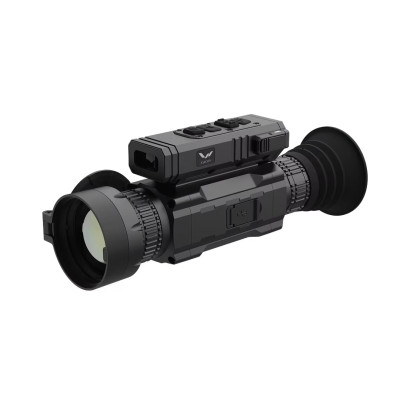
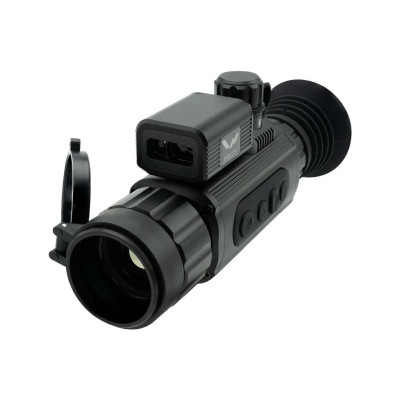
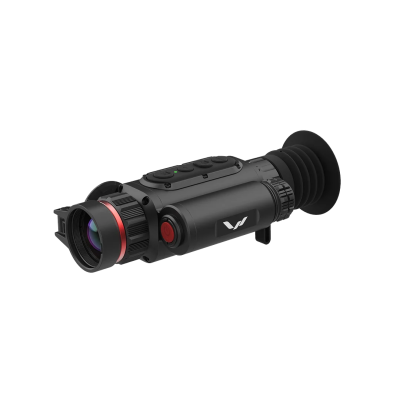
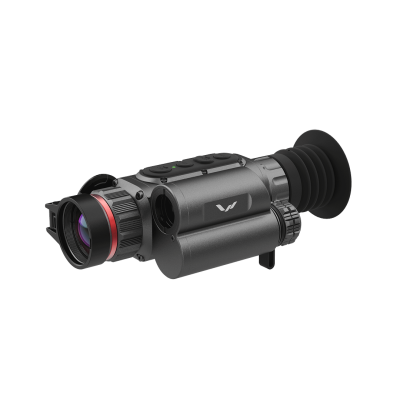
FALCON Thermal Sights – Advanced Thermal Imaging for Hunting and Professional Observation
FALCON thermal sights combine modern infrared imaging technology, sensitive thermal sensors and practical functionality for reliable observation in darkness and challenging visibility conditions. Designed for hunters, outdoor enthusiasts and professional users, FALCON thermal imaging devices help detect heat signatures and observe objects without relying on visible light.
The FALCON MEDUSA series offers different combinations of sensor resolution, thermal sensitivity, objective lenses and additional functions, including integrated laser rangefinders on selected models. Whether you need a compact thermal imaging device for scanning terrain or an advanced solution for observation at greater distances, FALCON provides options for different operational requirements.
Key Features and Technologies of FALCON Thermal Sights
Unlike conventional optical sights and digital night vision devices, thermal imaging systems detect long-wave infrared radiation emitted by objects. By converting differences in thermal radiation into a visible image, they make it possible to detect people, animals and other heat sources even in complete darkness.
FALCON thermal imaging devices incorporate technologies designed to support observation, target detection and image interpretation in demanding outdoor environments.
- High-performance thermal sensors: Different sensor resolutions provide options for balancing image detail, performance and equipment requirements.
- Thermal sensitivity (NETD): Sensitive thermal detectors help distinguish subtle temperature differences, particularly important when thermal contrast between objects and their surroundings is low.
- Optical configurations: Different objective lenses and optical magnifications allow users to choose between a wider field of view and more detailed observation at greater distances.
- Digital magnification: Enables closer examination of detected objects, although increasing digital zoom does not increase the sensor's native resolution.
- Integrated laser rangefinder (LRF): Available on selected FALCON MEDUSA models for measuring the distance to observed objects.
Thermal imaging can be effective in darkness and certain low-visibility conditions. However, heavy fog, rain, atmospheric moisture and dense vegetation can reduce detection performance. Actual results depend on the device configuration, environmental conditions and characteristics of the observed object.
How to Choose the Right FALCON Thermal Sight
Choosing a thermal imaging device involves more than comparing maximum detection distances. Sensor resolution, thermal sensitivity, objective lens size and field of view all influence how effectively the device performs in different situations.
Thermal Sensor Resolution and NETD
Sensor resolution determines the number of thermal pixels used to create an image. Higher-resolution sensors generally provide more detail and can make it easier to distinguish objects, especially when combined with suitable optics.
NETD (Noise Equivalent Temperature Difference) describes the ability of a thermal sensor to detect small temperature differences. Lower NETD values generally indicate higher thermal sensitivity, which can be beneficial in environments with limited thermal contrast. Overall image quality also depends on image processing, optical performance and other system characteristics.
Objective Lens, Magnification and Field of View
The objective lens and sensor configuration influence the device's optical magnification and field of view. A wider field of view is useful for scanning forests, fields and other large areas, while higher optical magnification can support more detailed observation at longer distances.
For users who frequently move between different environments, choosing the right balance between situational awareness and observation distance is particularly important.
Laser Rangefinder for Distance Measurement
Selected FALCON MEDUSA thermal imaging devices feature an integrated laser rangefinder. This function provides distance measurements to observed objects without requiring an additional handheld rangefinder.
An integrated LRF can be particularly useful when estimating distances across open terrain or when visual distance assessment is difficult.
Applications of FALCON Thermal Imaging Devices
FALCON thermal imaging technology can support different outdoor and professional observation tasks, depending on the model and its intended configuration.
- Hunting and wildlife observation: Detecting heat signatures and observing animal movement in darkness, wooded areas and open terrain, where permitted by local regulations.
- Field observation and terrain scanning: Searching large areas and identifying potential heat sources in low-visibility conditions.
- Property and perimeter monitoring: Supporting the observation of outdoor areas where conventional visible-light cameras may be limited by darkness.
- Professional outdoor applications: Providing additional thermal information for users who require reliable observation equipment in challenging environments.
The suitability of an individual FALCON model for weapon-mounted use, handheld observation or other applications should always be checked against its official specifications and intended purpose.
Why Choose FALCON Thermal Sights at Professional Optics?
At Professional Optics, you can explore FALCON thermal imaging devices and compare their technical characteristics according to your specific needs. From sensor resolution and thermal sensitivity to objective lens configuration and integrated distance measurement, understanding the differences between models is essential for selecting the right equipment.
Our FALCON category brings together available thermal imaging solutions for customers in Croatia and across Europe, helping you compare devices intended for different observation requirements.
Frequently Asked Questions About FALCON Thermal Sights
Can FALCON thermal sights work in complete darkness?
Yes. Thermal imaging devices detect infrared radiation emitted by objects and do not require visible light or an infrared illuminator to create an image.
What is the difference between thermal sensor resolution and NETD?
Sensor resolution determines the number of pixels used to form a thermal image, while NETD describes the sensor's ability to distinguish small temperature differences. Both parameters influence image quality, but they describe different aspects of thermal imaging performance.
Do all FALCON thermal sights include a laser rangefinder?
No. An integrated laser rangefinder is available on selected FALCON MEDUSA models. Other configurations may not include this function.
Can a thermal sight see through fog, rain or vegetation?
Thermal imaging can help detect heat sources in certain low-visibility conditions, but heavy fog, rain and dense vegetation can significantly reduce performance. Thermal devices cannot see through solid obstacles.
Which FALCON thermal sight is best for long-distance observation?
For longer observation distances, consider sensor resolution, objective lens characteristics, optical magnification and thermal sensitivity together. Detection distance alone does not guarantee that an observed object can be reliably identified.
Explore FALCON Thermal Sights at Professional Optics
Discover the available FALCON thermal sights and MEDUSA thermal imaging devices at Professional Optics. Compare technical specifications, evaluate different optical configurations and choose a thermal imaging solution suited to your hunting, wildlife observation or professional requirements.