
Pulsar Avilume XR50 Multispectral Binoculars
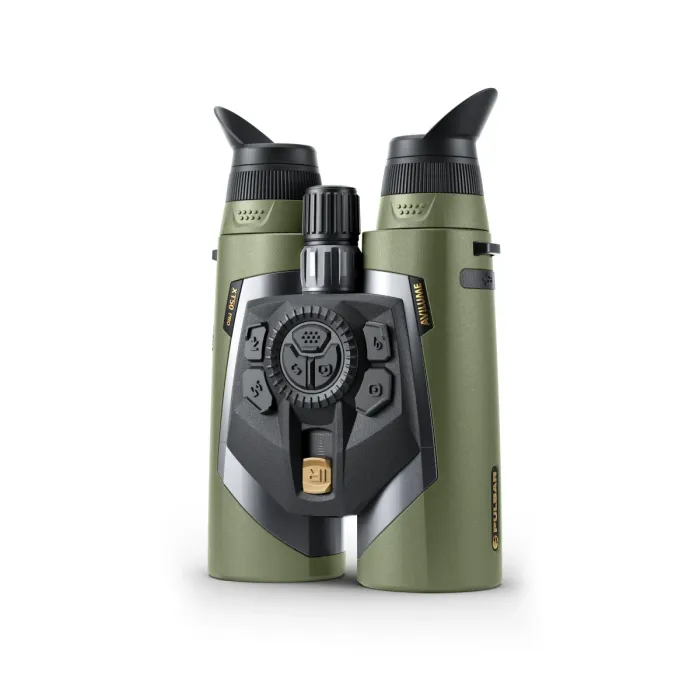
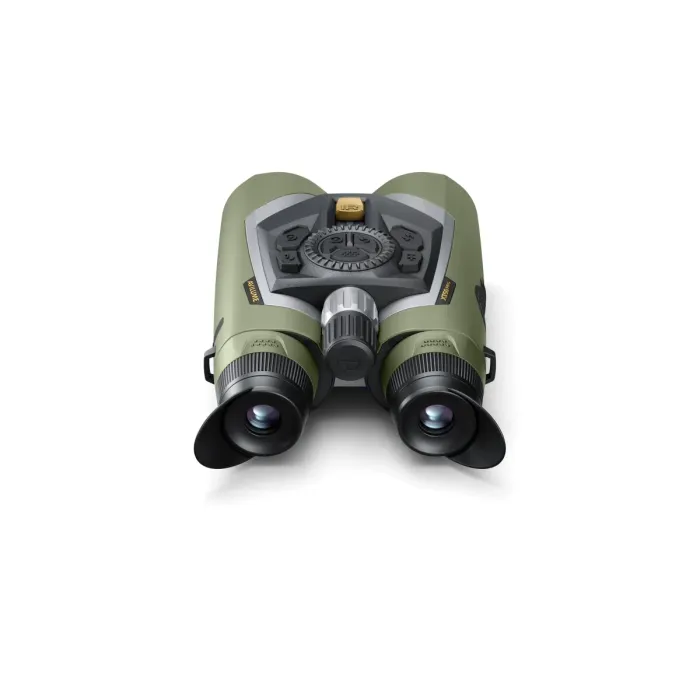
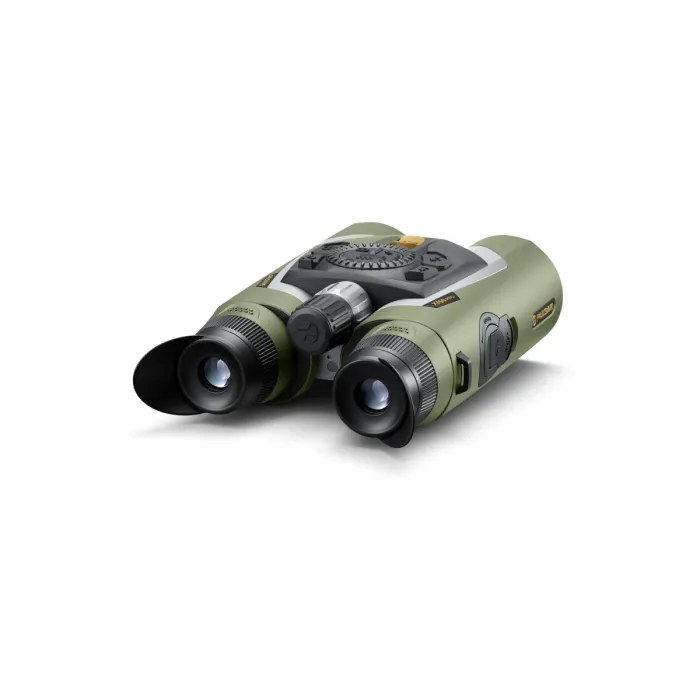
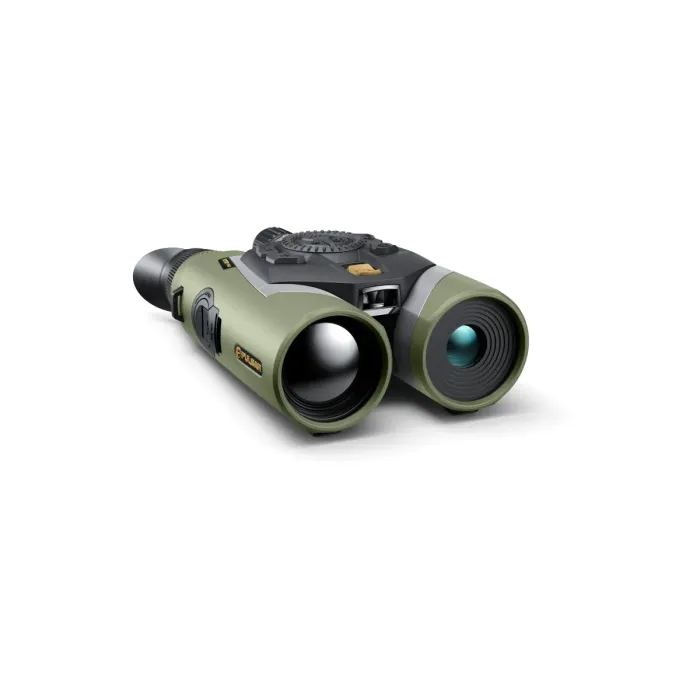
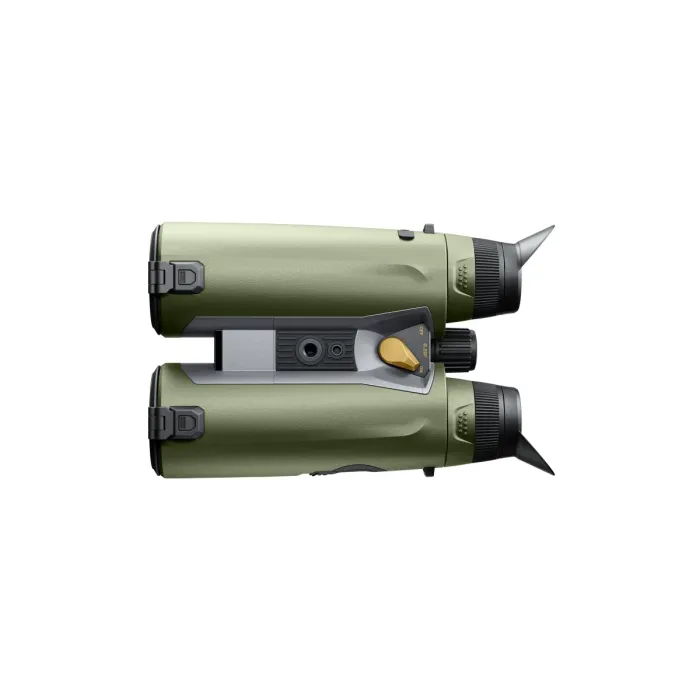
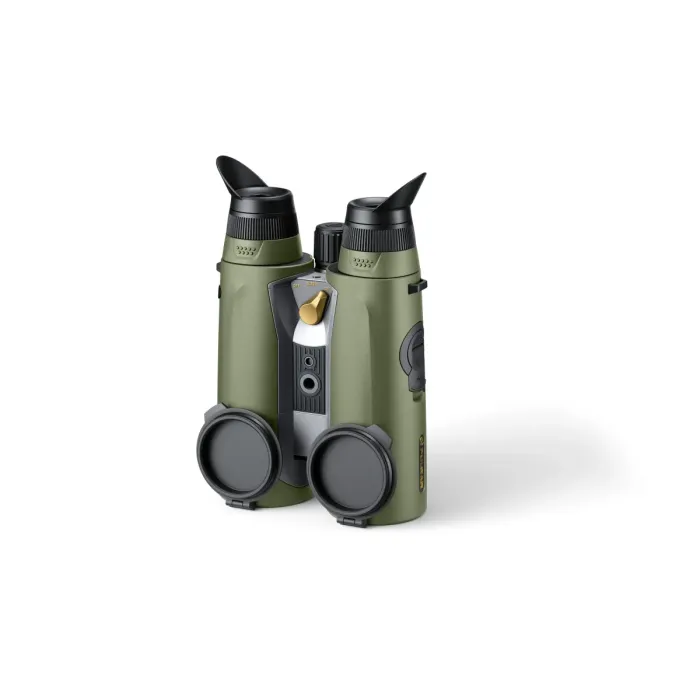
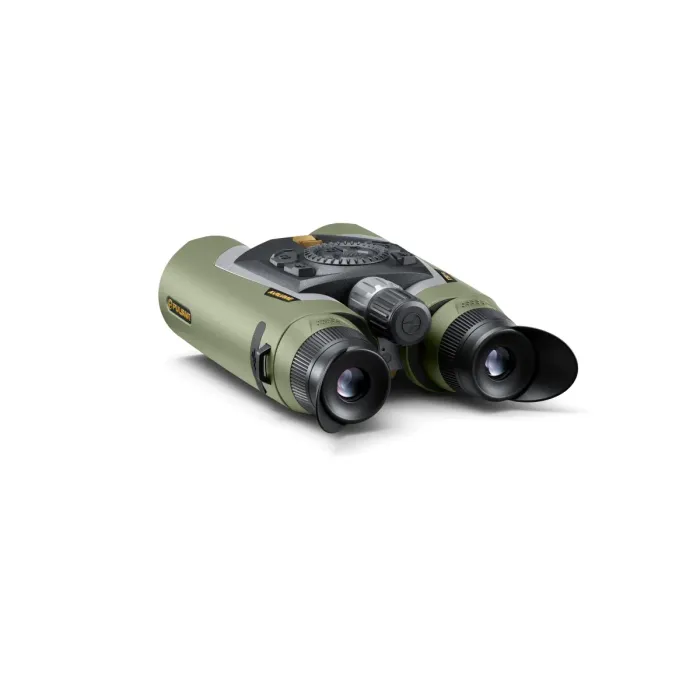
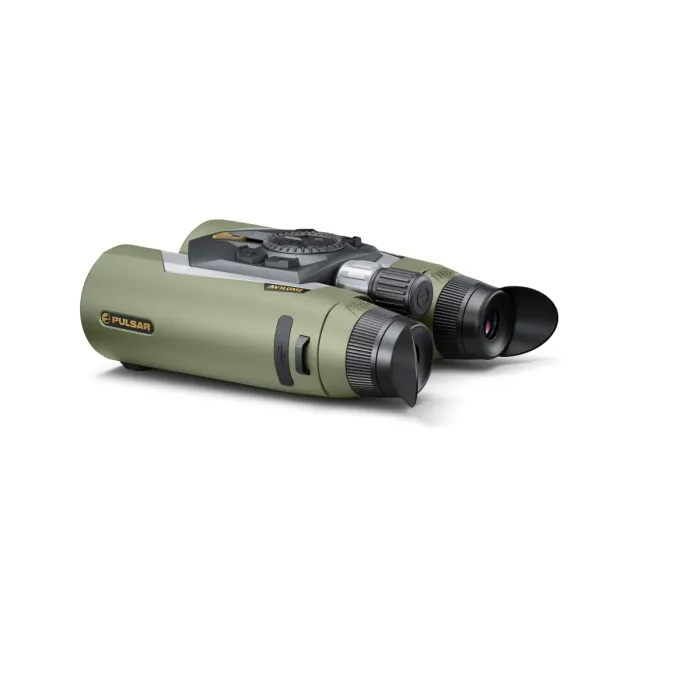
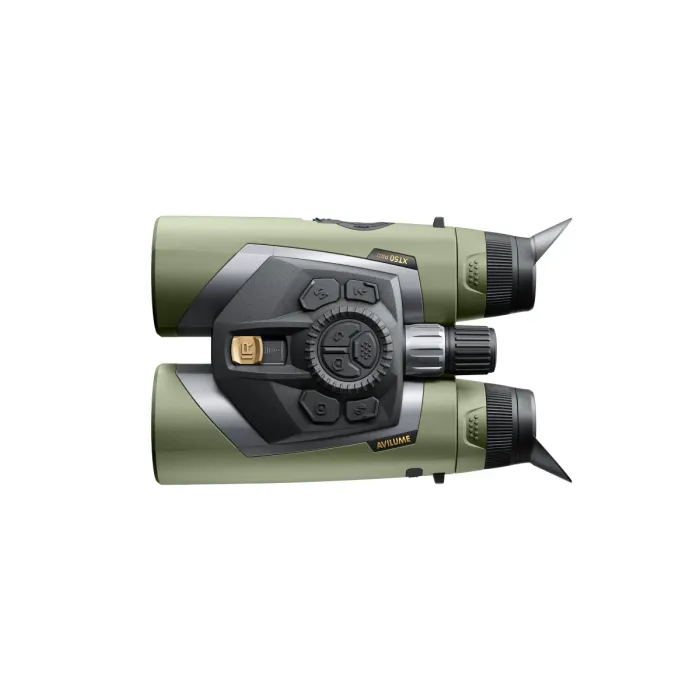
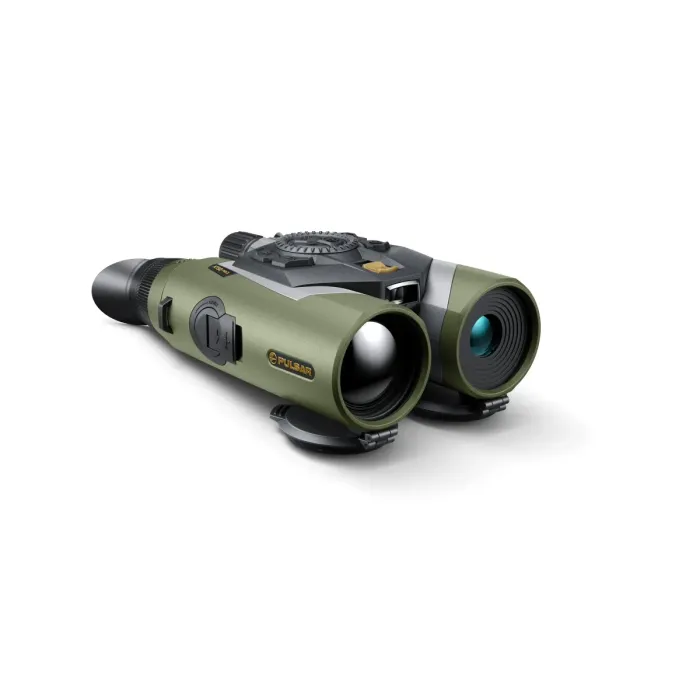


Pulsar Avilume XR50 Multispectral Binoculars
Pulsar Avilume XR50 combines thermal imaging, 4K full-colour daytime observation and digital night vision in one ergonomic binocular-format device. Developed for wildlife observation, birdwatching, nature monitoring and field documentation, it allows the user to detect an animal by its heat signature, switch to the digital channel for visual identification and continue observing after sunset.
The XR50 is optimised for longer-distance observation and demanding weather. Its 640×480 thermal sensor works with a 12 µm pixel pitch, a fast F50/1.0 germanium objective and system sensitivity below 18 mK, helping preserve thermal contrast in fog, mist, humidity and other low-contrast conditions. Thermal magnification ranges from 4× to 32×, while the stated detection range reaches 2,300 metres.
Thermal imaging in difficult weather
The thermal channel detects differences in heat rather than relying on visible light. This makes the Pulsar Avilume XR50 useful for locating birds and mammals hidden in vegetation, observing nocturnal wildlife and scanning terrain when conventional binoculars provide limited information.
Its system NETD of less than 18 mK is particularly valuable when the temperature difference between an animal and its surroundings is small. The 50 Hz refresh rate keeps movement fluid when following walking animals, birds in flight or subjects crossing the field of view.
4K digital channel
A 3840×2160 CMOS sensor provides a detailed colour image during the day and maintains colour information into twilight. In complete darkness, the digital channel switches to monochrome night observation and works with the integrated infrared illuminator.
The 4K channel is designed to show plumage, coat pattern, body shape and other visible characteristics used for manual species identification. Avilume does not contain an integrated bird database and does not automatically identify species; recordings can instead be reviewed manually or processed with a third-party identification application.
Multispectral PiP mode
Picture-in-Picture mode displays the thermal and digital channels within the same field of view. One channel remains the primary image, while the second appears in a smaller window, allowing the observer to detect a heat source thermally and inspect visible details without losing awareness of the surrounding area.
This is especially practical when a bird is partially concealed by branches, an animal is moving along the edge of vegetation or the observer needs to confirm whether a distant thermal signature is relevant.
Image stabilisation
Electronic image stabilisation compensates for natural hand movement and reduces visible shake at increased magnification. This is important on the XR50 because its thermal channel starts at 4× and extends to 32×, where even small movements can make prolonged observation difficult.
For stationary monitoring, recording or extended use at high magnification, the binoculars can also be placed on a tripod using the 1/4″ socket and an adapter supporting the ARCA-SWISS mounting standard. No zeroing or weapon-specific installation is required.
Integrated laser rangefinder
The built-in 905 nm laser rangefinder measures distances up to 1,500 metres with a stated accuracy of ±1 metre. It also supports true horizontal distance indication, providing a more useful distance reference when observing on sloping or mountainous terrain.
The Class 1 laser system provides fast distance measurement without requiring a separate handheld rangefinder. This helps wildlife observers estimate the scale of a scene, document observation distance and decide whether moving closer could disturb the animal.
Photo and video recording
The integrated recorder captures photographs and video with sound at 1440×1080 pixels. Files are saved in JPG and MP4 formats to 64 GB of internal memory, allowing observations to be documented without connecting an external recorder.
Recording is available across the thermal, full-colour digital and night-vision channels. The audio track can preserve calls and surrounding sounds for later review, but the device itself does not automatically recognise bird songs or animal species.
Wild Vision connectivity
Dual-band Wi-Fi supports 2.4 and 5 GHz connections. Through the Wild Vision mobile application, the user can transfer stored files, stream the live image and remotely control supported device settings.
The app is intended for device management and media handling. It does not include a confirmed integrated database for automatic bird or wildlife identification.
Field-ready construction
The magnesium-alloy housing combines mechanical rigidity with effective heat dissipation. IP67 protection allows the binoculars to withstand rain, dust and temporary water exposure, while the operating temperature range of −25 to +50 °C supports year-round field use.
The classic binocular layout distributes the 1 kg operating weight between both hands. Dioptre adjustment from −5 to +5 D allows the eyepieces to be adapted individually, while the 1920×1080 MicroLED AMOLED display provides a detailed viewing image.
Power system
The Avilume XR50 uses two replaceable APS5 batteries with a stated capacity of 4,900 mAh. Total operating time is up to 10 hours when using both batteries at an ambient temperature of 22 °C.
External 5 V or 9 V power can be supplied through USB Type-C. The quick-change battery system makes it possible to replace a discharged battery in the field without relying exclusively on a power bank.
Technical specifications Pulsar Avilume XR50
Specification | Pulsar Avilume XR50 |
Product type | Multispectral thermal and digital binoculars |
Thermal sensor | Uncooled microbolometer |
Thermal resolution | 640×480 pixels |
Pixel pitch | 12 µm |
Sensor NETD | <35 mK |
System NETD | <18 mK |
Frame rate | 50 Hz |
Thermal objective | F50/1.0 |
Thermal magnification | 4–32× |
Thermal field of view | 8.8° |
Thermal field of view at 100 m | 15.4 m |
Thermal detection range | 2,300 m |
Digital sensor | 4K CMOS |
Digital resolution | 3840×2160 pixels |
Digital objective | F50/1.8 |
Digital magnification | 6.5–26× |
Digital field of view | 5.8° |
Digital field of view at 100 m | 10.2 m |
Dioptre adjustment | −5 to +5 D |
Eye relief | 13 mm |
Display | MicroLED AMOLED |
Display resolution | 1920×1080 pixels |
Rangefinder range | Up to 1,500 m |
Rangefinder accuracy | ±1 m |
Laser wavelength | 905 nm |
Laser safety class | Class 1, IEC 60825-1:2014 |
Photo/video resolution | 1440×1080 pixels |
File formats | JPG / MP4 |
Internal memory | 64 GB |
Wi-Fi | IEEE 802.11 b/g/n/ac, WPA |
Wi-Fi bands | 2.4 / 5 GHz |
Protection rating | IP67 |
Operating temperature | −25 to +50 °C |
Tripod connection | 1/4″ socket; ARCA-SWISS support |
Mobile application | Wild Vision |
Battery system | 2× external APS5 |
Battery capacity | 4,900 mAh |
Operating time | Up to 10 hours with 2× APS5 at 22 °C |
External power | 5 V / 9 V USB Type-C |
Housing material | Magnesium alloy |
Dimensions | 207×132×72 mm |
Weight | 1 kg with battery |
SKU | 77540 |
Avilume XR50 vs XT50 Pro
The XR50 and XT50 Pro share the same multispectral concept, 4K digital channel, 50 mm objectives, 1,500 m laser rangefinder, recording system, internal memory, protection rating and housing dimensions. The main differences concern the thermal sensor, field of view, magnification, system sensitivity and battery life.
Parameter | Avilume XR50 | Avilume XT50 Pro |
Thermal resolution | 640×480 | 1280×1024 |
Pixel pitch | 12 µm | 12 µm |
System NETD | <18 mK | <20 mK |
Thermal objective | F50/1.0 | F50/1.0 |
Thermal magnification | 4–32× | 2–24× |
Thermal field of view | 8.8° | 17.5° |
Field of view at 100 m | 15.4 m | 30.7 m |
Digital resolution | 3840×2160 | 3840×2160 |
Digital magnification | 6.5–26× | 6.5–26× |
Detection range | 2,300 m | 2,300 m |
Rangefinder | 1,500 m, ±1 m | 1,500 m, ±1 m |
Internal memory | 64 GB | 64 GB |
Operating time | Up to 10 hours | Up to 8 hours |
Dimensions | 207×132×72 mm | 207×132×72 mm |
Weight | 1 kg | 1 kg |
SKU | 77540 | 77541 |
Which model to choose?
Choose Avilume XR50 for:
- Observing wildlife from longer distances.
- Higher initial and maximum thermal magnification.
- Use in fog, mist, humidity and thermally uniform environments.
- More precise inspection of a selected area.
- Longer battery life of up to 10 hours.
- Situations where high system thermal sensitivity is more important than a wide overview.
Choose Avilume XT50 Pro for:
- Scanning woodland, fields and large open landscapes.
- Locating small animals and birds across a broad area.
- Following fast-moving subjects.
- Working at shorter and medium observation distances.
- Users who prioritise HD 1280×1024 thermal resolution.
- Situations where a 17.5° thermal field of view is more important than higher magnification.
Practical difference
The Avilume XR50 provides a narrower 8.8° thermal field of view, 4–32× magnification and system sensitivity below 18 mK. It is therefore better suited to focused long-distance observation and to weather conditions in which temperature differences are difficult to distinguish.
The Avilume XT50 Pro provides a 1280×1024 HD thermal image and a field of view twice as wide at 17.5°. It is the stronger choice for rapid landscape scanning, locating birds among vegetation and maintaining visual contact with moving wildlife.
The XR50 should not be considered universally superior because of its lower NETD value. It offers better system sensitivity and higher magnification, while the XT50 Pro offers substantially higher thermal resolution and a much wider viewing area.
Initial setup
- Fully charge both APS5 batteries before the first field session.
- Install the batteries and adjust the binoculars for a comfortable viewing position.
- Set the dioptre value separately for each eye until interface symbols appear sharp.
- Focus the thermal and digital objectives independently.
- Select the thermal colour palette and sensitivity level appropriate for the terrain.
- Connect the device to Wild Vision if file transfer, streaming or remote control is required.
- For extended high-magnification observation, install the binoculars on a compatible tripod.
Maintenance
Clean the germanium thermal lens and digital objective only with optical cleaning equipment suitable for coated lenses. Remove loose dust with an air blower or soft brush before using a microfiber cloth, as rubbing dry particles against the lens can damage the coating.
Keep the USB Type-C port and battery contacts clean and dry. After use in rain or snow, wipe the housing and allow the device to dry at room temperature before storing it in a closed case. Do not apply household glass cleaner, alcohol-based solutions or abrasive materials to the optical surfaces.
Frequently asked questions
Can Avilume XR50 be used during the day?
Yes. The digital 4K channel produces a full-colour daytime image, while the thermal channel can detect heat signatures regardless of visible-light conditions.
Does it work in complete darkness?
Yes. The thermal channel requires no external illumination, and the digital night channel can work with the integrated infrared illuminator.
Does it automatically identify birds?
No. Avilume XR50 has no confirmed integrated species database or automatic AI identification. The digital channel helps the observer examine visible characteristics, while photos and videos can be transferred for later manual or third-party analysis.
Is the XR50 better than the XT50 Pro?
Neither model is better in every situation. XR50 is better for increased thermal sensitivity, higher magnification and longer-distance observation; XT50 Pro is better for maximum thermal detail and wide-area scanning.
Does it require zeroing?
No. Avilume XR50 is a handheld observation device rather than a weapon sight. Initial setup consists of adjusting the eyepieces, dioptres, focus and preferred imaging settings.
Can it be mounted on a tripod?
Yes. It has a 1/4″ socket and supports a tripod adapter compatible with the ARCA-SWISS mounting standard.
Professional Optics
Pulsar Avilume XR50 is available from Professional Optics in Split, Croatia, with competitive pricing and delivery across Europe. The model is suitable for customers who need a rugged multispectral observation system for birdwatching, wildlife monitoring, field research and day-to-night nature observation.